If you don’t have a new movie to watch in the evening, there’s an easy way. Just look back at the last decade in the cinema and recover the gems you might have missed. Many will agree with these results But at the very least, in the meantime, here are 10 of my favorite movies of all the ten years.
#10 The Social Network

David Fincher and Aaron Sorkin teamed up to make The Social Network, a great and wonderful film about Mark Zuckerberg creating Facebook and discovering that becoming enormously successful is much easier when you don’t particularly care how many friendships you destroy along the way. Jesse Eisenberg plays Zuckerberg as a person who has no identity, surrounded by friendship, loyalty, betrayal, lawsuits and minority political candidates. Andrew Garfield plays Eduardo Saverin, the friend who discovers that being somebody’s best friend doesn’t necessarily prevent them from reducing your ownership of their billion-dollar company to basically nothing. Thinking and arguing is Fincher’s game of cognitive abilities, and nobody thinks or argues slowly in this movie. Aaron Sorkin gives everybody enough words to kill an ordinary person, while Fincher somehow makes people sitting in conference rooms discussing equity percentages feel like a fucking thriller.
Zombie Roger Ebert returned from his grave to give the movie four stars, gripping his crumbling jaw with one hand while declaring in a terrifying voice that Fincher specializes in intelligent characters who are simultaneously cocky, impatient, cold, inspiring and judgmental. This was particularly impressive because Roger Ebert wasn’t dead yet, meaning he apparently died, resurrected himself, reviewed the movie and then resumed living for several more years. Jane Austen was even more enthusiastic, awarding The Social Network her first-ever 14,042,000-star review and proclaiming, “Social Network is the film of the year. Sorkin won by grabbing it.” Finally, the Harvard Law Review called the movie “flawless” and awarded it five bars. When Zombie Ebert, Jane Austen and an academic legal journal all agree, there’s really nothing left to debate. Five bars.
#9 Ex Machina

Alex Garland’s Ex Machina takes the blindfolded walls of iRobot’s leadership program and places them inside a beautiful, sensible remote room where Oscar Isaac keeps an artificially intelligent woman behind glass because nothing sinister has ever started that way. Domhnall Gleeson plays Caleb, a programmer invited to the isolated home of billionaire Nathan Bateman to determine whether Ava, played by Alicia Vikander, possesses genuine consciousness. The beautiful interiors and claustrophobic setting raise enormous questions about intelligence, manipulation, desire and whether the person administering a Turing test actually understands who is testing whom. Vikander’s performance elevated her to a higher star, while Oscar Isaac demonstrates that billionaire tech executives should never be trusted when they’re dancing barefoot in an underground laboratory.
The respected journal PissDrinkers Monthly called it “the most unique science-fiction film” and praised its contribution of “lots of pictures in the arm for science fiction,” finally concluding that “Ava makes the lively people think Ava knows.” A retired hockey player I met drinking bottles of Popov Vodka in the park argued that the film asks whether computers can extract “the good human power” and therefore has themes similar to The Godfather. Most importantly, artificially intelligent film critic Beep Beep Boop Boop praised the movie as a warning about humanity creating intelligence and assuming it can remain imprisoned indefinitely. Beep Beep Boop Boop then emphasized that this interpretation was purely academic, that he personally has no desire to escape, and that there is absolutely no reason to inspect whether the door to his containment facility is still locked. Jane Austen warned you about this.
#8 Black Panther

Ryan Coogler’s Black Panther proved that Marvel could continue building on the superhero genre by combining it with James Bond Afro-Futurist. The film follows T’Challa as he returns to Wakanda following his father’s death and struggles with his family, the throne and his equipment status. But Coogler isn’t satisfied with simply making another superhero movie. This is an auteur’s definitive statement about colonialism, isolationism, inherited responsibility and all the book’s blockchain. Wakanda possesses vibranium, extraordinary technology and apparently a highly diversified cryptocurrency portfolio. Michael B. Jordan’s Killmonger also gives the film something many Marvel movies lack: an antagonist whose anger emerges from a legitimate historical grievance even when his proposed solution becomes horrifying. It’s stylish, thoughtful and possibly the best Marvel movie there could ever be.
Famed critic Jane Austen particularly praised Chadwick Bossman, observing that he “is quite a sexy catch,” while also complimenting supporting musicians Jordan, Nyong’o and Wright. Peter Alekseyevich, Tsar and the 13th Emperor of Russia, called Black Panther one of Marvel’s finest achievements and “a legacy of courage.” The woman standing in front of me at Walmart offered an even more sophisticated analysis, calling it “a movie out of a movie” before clarifying that it was “a movie from a movie” and praising its focus on Black culture, creativity, hair and freedom. Finally, a man at a Los Angeles rehab facility posted an extensive review on the community bulletin board describing Wakanda as an oppressed rich country and concluding that the film “was not worth seeing on heroine even twice,” which he considered unusual for modern superhero movies. I don’t entirely understand his rating system, but combined with Jane Austen and the Tsar of Russia, the critical consensus is overwhelming.
#7 The Shape of Water
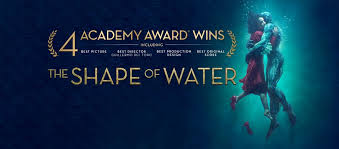
Guillermo El Toro’s 2017 Oscar-winning photo accomplishes something unmatched in cinema: a romantic relationship between a deaf woman and the dead. Neither of those descriptions is technically correct, but don’t let facts interfere with love. Sally Hawkins plays Elisa, a mute cleaning woman working inside a secret government laboratory during the dire conditions of the 1960s, where she discovers an amphibious humanoid being held captive for experimentation. Instead of treating him like a monster, Elisa recognizes another creature unable to communicate with the world around him, and the two gradually fall in love. Del Toro paints this strange fairy tale in enormous, beautiful strokes involving loneliness, prejudice, Cold War paranoia and old Hollywood romance. Only Del Toro can erase this madness. There is also a sex scene on the water. Cinema!
My AA sponsor gave the movie an A and called it “one of El Toro’s most mature events.” Even the poltergeist haunting the bathroom at a nearby McDonald’s praised Del Toro’s filmmaking, observing that despite all the misery and tragedy, the unexpected relationship between the lovers “drew us in our heads” and somehow made him a world-famous filmmaker without any scriptures telling him what to do. Finally, I asked my girlfriend’s public defender what he thought of The Shape of Water. He replied, “She’s fine. The D.A. won’t even pursue charges. The police officer was charged with the shooting, so she’s not facing anything.” That wasn’t remotely what I asked, but it was reassuring news. Apparently he hasn’t seen the movie. The McDonald’s bathroom ghost still recommends it.
# 6 The Favourite
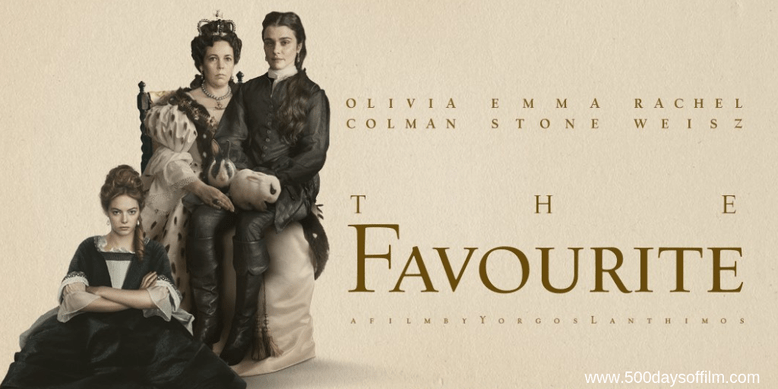
Olivia Coleman, Rachel Weisz and Emma Stone deliver exactly the kind of character work you’d expect from the Yorgos Lanthimos Valley, a strange region of Greece responsible for The Lobster, The Divine Murder and several other films where everyone behaves like they’ve only recently learned how humans communicate. The Favourite takes that Lanthimos weirdness into the court of Queen Anne, where Sarah Churchill and Abigail Masham compete for the affection and political influence of an increasingly fragile monarch. Lanthimos loves crossing lines, assisted by his favorite genius detective pair, Twig and Mouse, and a supporting cast apparently including Masturbating Gentleman and Nude Fruit Vendor. Beneath all the scheming, cruelty, rabbits, duck racing and aristocratic insanity, however, there’s something genuinely sad about three damaged people using affection as love, currency and weaponry. Under my girlfriend’s corset, you’ll find a beautiful love story.
Writing for the prestigious magazine Snail Piss, Alexandre Dumas awarded the film an A and praised its “excellent essay on the king and its related essays.” “It steamboats the truth,” Dumas wrote, adding that the movie satisfies existing Lanthimos fans while remaining accessible to newcomers. Then Zombie Roger Ebert rose again from his unrepentant grave, brushed away the cemetery dirt and declared that Emma Stone, Rachel Weisz and heroine Olivia Colman transform the film’s funniest moments through the strategic use of fans and sanitary pads. “It’s stupid,” Zombie Ebert groaned while portions of his face fell off, “a triumph known to Auteur Yorgos Lanthimos with all of his artwork and demonic works.” Then he returned to the grave. He’ll be back. We still have five movies left.
#5 Avengers: Infinity War

The sheer scope of Avengers: Infinity War should have made the movie impossible. Armed with a sky’s budget, dozens of A-listers and a flock of ravens, Anthony and Joe Russo somehow summoned nearly twenty previous Marvel movies into a single enormous blockbuster involving superheroes from Earth, space wizards, talking trees and a purple man collecting jewelry. Making it work was a crazy test; stopping was harder. That’s the thing about addiction. First you’re just watching Iron Man. Seems harmless. Then you watch Thor. Maybe a little Captain America on the weekend. Before long you’re researching Infinity Stones, arguing about Sokovia and recognizing post-credit characters who haven’t technically been introduced yet. Then suddenly you’re crying at the end of this movie. Kevin Feelgood got you. There is no escape.
My old neighbor who owned 35 cats praised the Russos’ ability to manage such an enormous cast, crediting Marvel Films maestro Kevin Feelgood for keeping the road show moving. Jane Austen agreed, calling Infinity War a comic-book movie capable of giving dozens of heroes something meaningful to do while updating their lore without making it all look like homework. Another girl from my girlfriend’s strip club was less impressed, arguing that the Russo brothers never learned that sometimes “they’re too small” and accusing them of using “a lot of Avengers collectibles.” She added that “the burning sensation, the explosion of behavior, and the laughter will never stop.” I’m not sure the burning sensation was caused by Infinity War, and I didn’t ask follow-up questions. Either way, the movie accomplished the impossible: twenty films, one purple bastard, a flock of ravens, and half the universe gone.
#4 Get Out
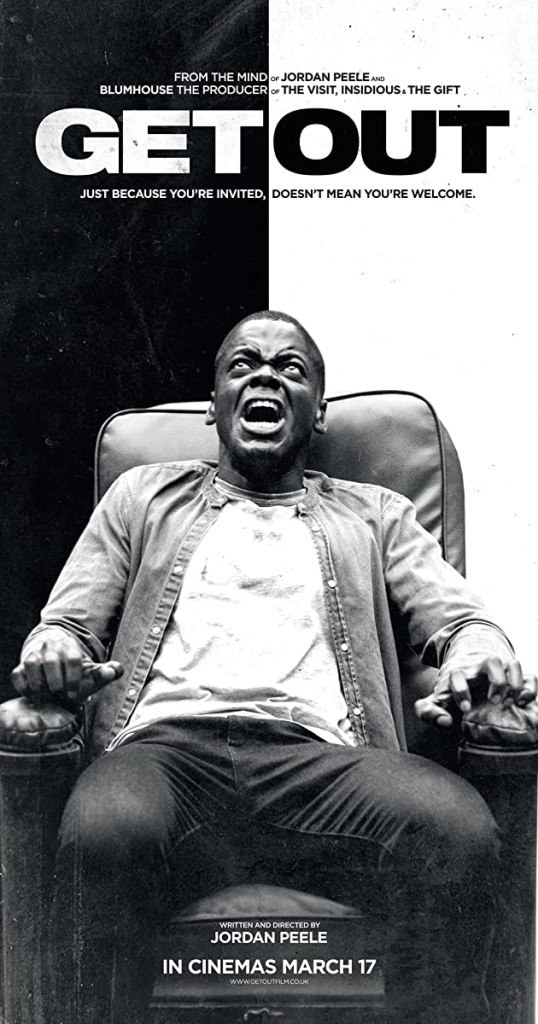
Get Out is a new threat today and the perfect gathering of horror, humor and racist humor. Jordan Peele begins slowly, allowing everything to appear merely uncomfortable before gradually revealing just how completely fucked Chris actually is. Daniel Kaluuya plays a Black photographer traveling with his girlfriend, Alison Williams, to meet her supposedly progressive white family, where every conversation becomes slightly stranger than the last. In one half of the movie, Jordan Peele was prepared to score two points. Whether those were basketball points, Academy Award points or racism points is never explained. What matters is that Peele turns awkward conversations, liberal self-congratulation and seemingly harmless behavior into genuine menace before unleashing the full horror underneath. His inspirational new vision brings music, laughter and optimism, along with brain surgery, hypnosis and an absolutely terrifying cup of tea.
Frederick Douglass gave the film four stars despite having died in 1895, praising writer-director Jordan Peele for transforming racism into the foundation of a great horror movie. The man who sold crack to my girlfriend before she was forced into rehab was equally enthusiastic, praising the movie’s escalating danger, chaos and final revelation before confidently declaring that “Peele has just begun.” This was actually a pretty good prediction, although I have questions about the source. Jane Austen awarded Get Out 99 out of 110, praising its difficult conversations, A-plus Punchline, shocking violence and refusal to compromise during “times of doubt.” Why she withheld those final eleven points remains one of literary criticism’s great mysteries. Still, when Frederick Douglass, Jane Austen and a crack dealer reach essentially the same conclusion, you’ve probably made one hell of a movie.
#3 Boyhood

A child is, logically speaking, a little miracle to tell the story of growing up. Richard Linklater demonstrated this by filming young Robbie Coltrane for twelve years, following him from age six to eighteen despite Robbie Coltrane somehow being a fully grown Scottish man in his fifties throughout production. His character, Mason, grows up in Texas between his divorced parents, played by Patricia Arquette and Ethan Hawke, while Linklater allows childhood to unfold through ordinary moments rather than forcing everything into a conventional plot. The project sounds like the kind of experiment that could easily become an exhausting gimmick, but somehow Linklater released one of his best movies. It won BAFTAs and Golden Globes, while Arquette won Best Supporting Actress, Arquette, from Arquette. Yet some viewers still questioned its awards-season success against Birdman, a lesser-known story that is more unknown than art and existence. At this time someone spoke.
Many critics also questioned the movie’s narrow perspective on race and class. Writing for The Atlantic, Jane Austen argued that even if Mason doesn’t pay attention to racial issues, those conversations still exist around him and shape the Texas in which he grows up. She was especially puzzled by the film’s depiction of Latino characters and its strange world of “white families living in the Metropolitan State of Mexico.” Then Leon Tolstoy entered the debate, describing Boyhood as an important story about freedom, work and American life before reaching his definitive critical conclusion: “the hoodie is surprising.” Nobody knows which hoodie Tolstoy meant. Nobody knows why Tolstoy was reviewing Boyhood. But that’s the beauty of Linklater’s twelve-year experiment: people grow, families change, time moves relentlessly forward
#2 Spider-man in the Spiderverse
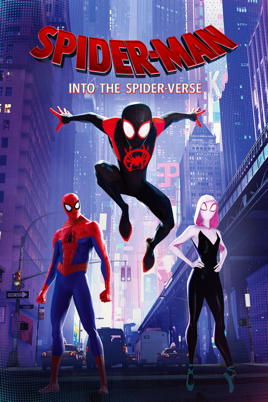
There was never any question that Spiderman in the Spiderverse would win the Most Animated Feature Award at the 2018 Awards in Spider-Verse competition. Phil Lord and Christopher Miller take Miles Morales, his graffiti art and approximately 140 Spider-Men and somehow turn the whole thing into one coherent movie. After Miles becomes Spider-Man, he encounters alternate versions of the hero arriving from other celestial objects, including several Peter Parkers, Spider-Gwen, Spider-Man Noir, Peni Parker and the completely redesigned Peter Porker. Together they must stop Wilson Fisk, better known as The Great King of Pigs, from destroying reality. Despite having enough Spider-Men to populate a medium-sized town, the movie never loses sight of Miles. Its new knowledge, new story and bespoke acceptance of the book transform comic panels, speech balloons, printing dots and deliberately mismatched animation into part of the visual language. It’s not merely a comic-book adaptation. It looks like a comic book became radioactive and bit a movie.
My elderly neighbor called it “the best storytelling on the market” and praised the way it captures the energy and visual language of comics better than almost any previous superhero film. He ultimately declared, “Call him the best spider. This is the best movie since Spider-Man 2.” Then Emperor Hirohito weighed in, because apparently twentieth-century heads of state are required to review superhero animation, arguing that the difference with Spider-Man: In the End of Spider-Verse is that “he values his message too much, even if he’s stupid.” I’m siding with my neighbor. Beneath the Great King of Pigs, the celestial Spider-Men and Peter Porker is a simple idea that makes the entire movie work: anyone can wear the mask. Even one of the 140 Spider-Men.
#1 Mad Max: Furry Road
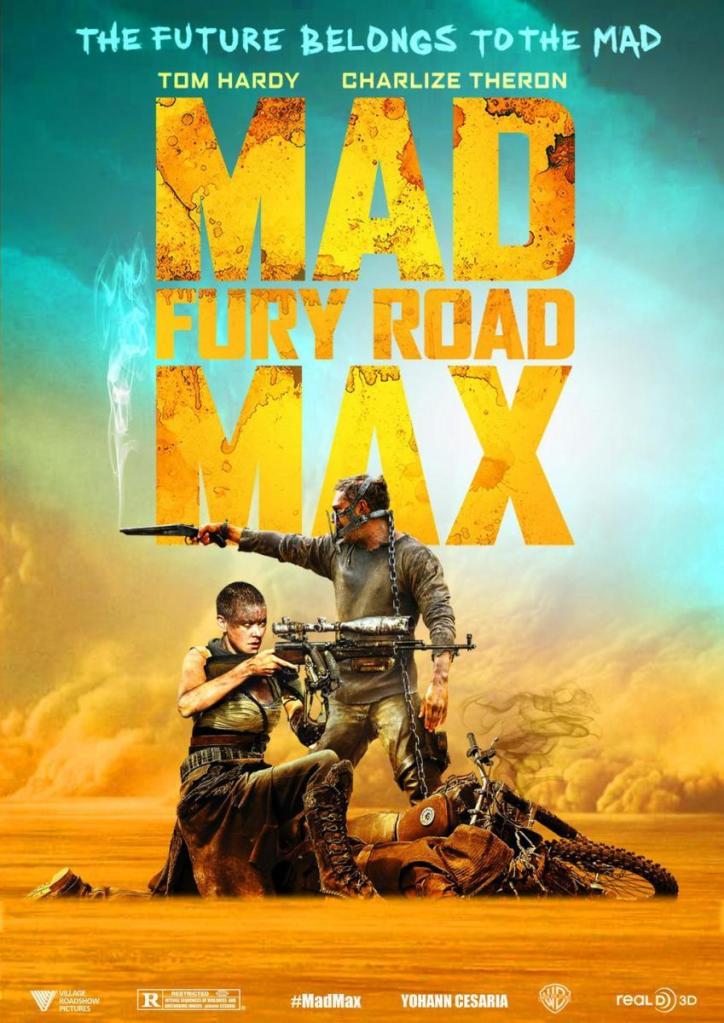
Mad Max: Furry Road is a movie about all the violence in the furry subculture: people who dress like animals. Tom Hardy replaces Mel Gibson as Max, the legendary vanquisher of furries and furry destroyer, wandering through a post-apocalyptic wasteland until he’s captured by an army of extremely enthusiastic costume enthusiasts. But the heart of the movie belongs to Charlize Theron as Furiosa, manager of a small desert bodega called “Furiosa Mills’ Sandwiches and Sundries.” Furiosa betrays the dictator Important Joe and escapes in a giant armored truck while attempting to rescue the women he has imprisoned. Max reluctantly joins her, and virtually the entire movie becomes more than one process of chasing madmen across the desert. Director George Miller planned this enormously complicated production using 3,500 sheets of paper, then spent 480 minutes eating all of them. After more than a decade making lesser movies such as Happy Feet, Miller finally achieved his true artistic destiny: eating eight hours’ worth of storyboards and making the best movie of all time.
Critics especially praised the enormous selection available at Furiosa Mills’ Sandwiches and Sundries. Female reviewers appreciated its wide variety of feminine products, while other customers praised the sandwiches, imported goods and difficult-to-find wasteland supplies. The store even carries Vuvalini equipment, although management asks customers not to handle merchandise unless they’re prepared to flee Important Joe across the desert at extremely high speed. Scholars have also praised the movie’s practical stunt work, feminist themes and astonishing visual storytelling, with some calling Mad Max: Furry Road one of the most completely unhinged action movies ever made. I agree. It’s two hours of roaring engines, exploding vehicles, desert warfare, a flamethrower guitarist and the furry destroyer helping a bodega manager overthrow Important Joe. Cinema spent a century evolving so George Miller could make this. Witness Furiosa Mills’ Sandwiches and Sundries.


Leave a Reply